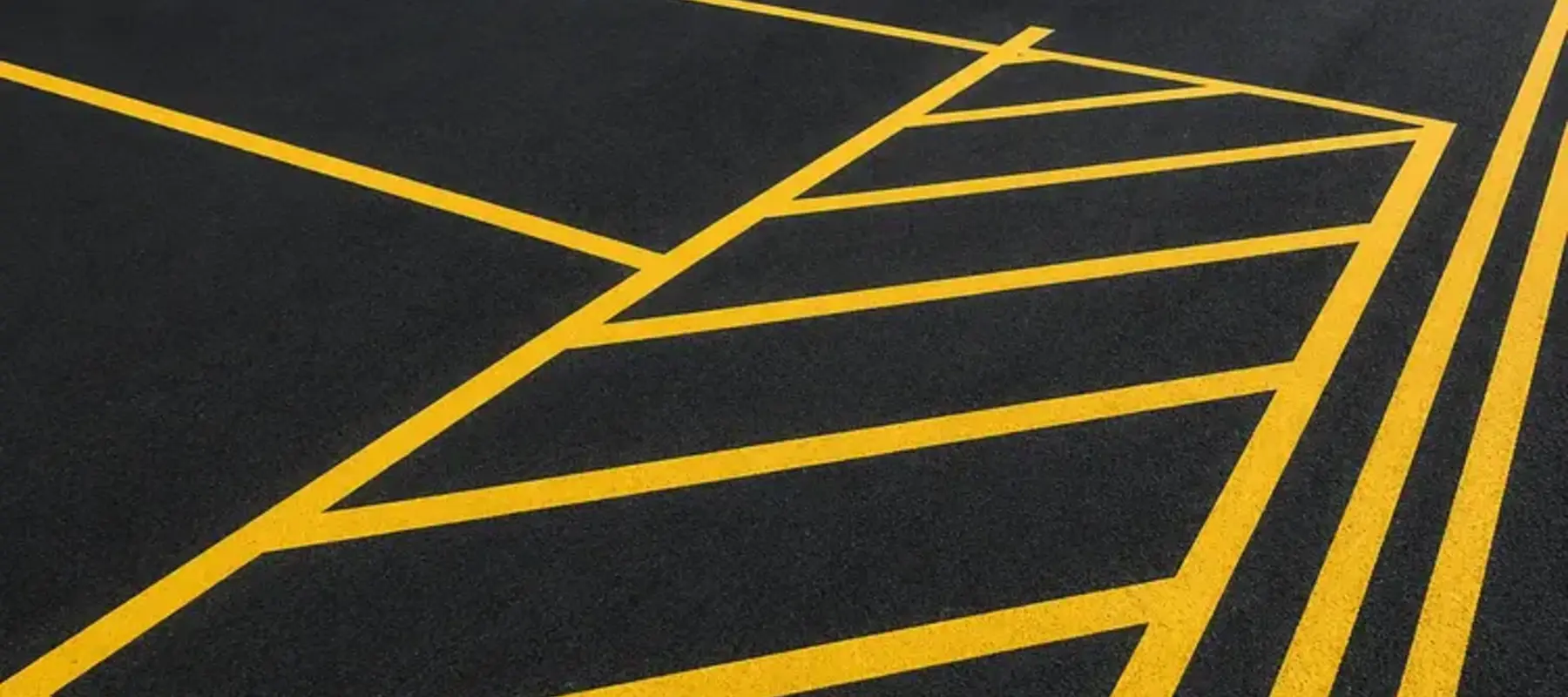
A well marked car park does much more than just tell all drivers that enter where they should park. It also helps to improve traffic flow and makes much better use of all available space, along with enhancing safety while creating a positive first impression for visitors.
Whether you are creating a brand new car park or you need to give an existing layout a refresh, taking the time to plan your markings properly can prevent costly mistakes and make sure that your site remains practical for many years to come.
In this guide, we will fully explain how to mark out a car park, right from the initial planning stages all the way through to applying the finished markings. While we do so we will highlight all of the key considerations that can make a significant difference to the finished result.
Why Is Having Good Car Park Markings So Important?
The Car park marking is one of the very first things that drivers will notice when arriving at a business, and having clear, professional-looking markings helps drivers to navigate the site safely while reducing any confusion.
Poorly planned layouts or markings that have started to become very faded can lead to vehicles parking incorrectly and congestion along with posing an increased safety risk to both drivers and pedestrians.
A well designed car park should aim to:
- Maximise the available parking spaces.
- Create clear traffic flow.
- Improve pedestrian safety.
- Provide accessible parking.
- Present a clean and professional appearance.
Good planning at the beginning of the process will usually prevent any expensive alterations later.
Step One: Assess All of the Available Space
Before any markings are applied, it is always important to understand how the available space will be used.
Every site is different, so there is not a standard layout that works for each and every car park. The size of the site, and its expected traffic levels, paired with variables such as pedestrian access all need to be carefully considered before making any final decisions where bays and markings should be positioned.
At this stage, you will also want to identify any existing obstacles, such as:
- Lighting columns.
- Drain covers.
- Trees and landscaping.
- Building entrances.
- Existing kerbs and pathways.
These features may end up having a large influence on the final layout and therefore should always be incorporated into the design in the assessment phase, rather than being worked around afterwards.
Step Two: Plan the Layout
Planning is arguably the most important stage of the entire project.
Rather than just painting parking bays wherever they fit, it is always important to have a good log think about how vehicles will move through the site on a day-to-day basis. Entry and exit points should work together to create a logical flow of traffic.
Depending on the type of premises, you may also need to include:
- Disabled parking bays.
- Parent and child spaces.
- Electric vehicle charging bays.
- Delivery or loading areas.
- Pedestrian walkways.
- Directional arrows.
- Speed reduction markings.
Taking some time to plan the complete layout will make sure that the finished car park is both safe and efficient.
Step Three: Measure and Mark Out the Bays
Once the layout has been agreed upon, the next stage of the process is to accurately measure and mark the positions of each parking bay.
Consistency is essential, as even small measuring errors can become much more noticeable as additional bays are added across the site.
Professional contractors will usually use measuring equipment, chalk lines and layout plans to make sure that each and every bay is correctly positioned before any permanent markings are applied.
This stage also allows any small adjustments to be made before any of the painting begins, which helping to avoid unnecessary rework.
Step Four: Make Sure That the Surface is Well Prepared
Before any of the paint or thermoplastic markings are applied, the surface should be properly prepared, making sure that the area is clean and dry. It is important to be thorough here, as little bits of dirt and loose debris could affect adhesion.
If you have some existing markings that need replacing, these may need to be removed first to avoid confusion and make sure that the finished layout remains as clear as possible.
Surface preparation is a part of the process that is often overlooked, but it plays a significant role in the durability and appearance of the finished markings.
Step Five: Apply the Line Markings
With the layout now fully confirmed and the surface carefully prepared, the permanent markings can now be applied.
The materials used will depend on factors such as traffic volume, site conditions and the expected lifespan of the markings. Choosing the right product helps ensure the lines remain highly visible and resistant to wear.
Professional line marking contractors use specialist equipment to produce crisp, consistent lines with accurate spacing throughout the car park.
The finished result should be easy for drivers to follow while maintaining a neat, professional appearance across the entire site.
Common Mistakes When Marking Out a Car Park
Although marking out a car park may appear very straightforward, there are several common mistakes that can have a large effect on both safety and usability.
Some of the most common include:
- Poor planning before painting begins.
- Inconsistent bay sizes.
- Insufficient space for vehicles to manoeuvre.
- Failing to include pedestrian routes.
- Using unsuitable marking materials.
- Ignoring surface preparation.
- Not considering future traffic volumes.
If you avoid any of these issues from the outset, it will usually result in a longer lasting and more effective layout.
Should You Mark Out a Car Park Yourself?
For very small private areas, marking out a few parking spaces may seem like a very manageable project if you have the time.
However, larger commercial car parks will usually require a more careful planning process, with specialist equipment and experience in order to achieve a professional finish.
Incorrect measurements, or low quality markings can become expensive to rectify later. In many cases, investing in a professional line marking service provides better long term value by reducing maintenance requirements and ensuring the layout works effectively from day one.
Why Undertaking Professional Planning Makes Such a Difference
Experienced line marking contractors do not just paint lines onto a surface, they will assess how the site operates as a whole, in order to understand vehicle movements and recommend layouts. In doing so this will improve efficiency while maintaining a professional appearance.
At OnPoint Markings, each and every project begins with the core understanding of how the space is used. Whether it is a small private car park or a large commercial facility, the focus is on delivering durable and clearly defined markings that will help sites operate safely and efficiently while keeping the disruption to day to day operations to a minimum.
By using high quality materials and carefully planned layouts, professional line marking can significantly extend the lifespan of your markings while reducing the need for any frequent maintenance.
How To Maintain Your Car Park Markings
Once your car park has been fully marked out, regular maintenance helps to preserve both its appearance and its functionality.
Over a longer period of time, traffic and the weather will naturally cause markings to fade. Regular inspections allow worn areas to be identified before they become difficult for drivers to see.
Refreshing faded markings promptly helps to maintain safety and improve the overall appearance of the site, making sure that visitors can continue using the car park with confidence.
Working with experienced specialists such as OnPoint Markings can also help you identify the most suitable maintenance schedule based on your site’s traffic levels and operating environment.
Conclusion
Marking out a car park involves far more than just painting the parking bays. Careful planning and accurate measurements paired with the use of the correct materials will all contribute to creating a safe and professional parking area.
Whether you are designing a new car park or refurbishing an existing one, investing time in the planning stage and making sure that quality line marking techniques are used can help maximise the available space while improving safety and traffic flow for everyone using the site.
FAQs
What is the best way to mark out a car park?
The best approach is to undertake a careful planning process before you begin, accurately measure the available space, prepare the surface properly and use durable line marking materials suited to the environment.
How wide should car parking bays be?
The size of parking bays varies depending on the type of site and the vehicles expected to use it. Commercial sites should always ensure bays provide sufficient space for safe parking and access.
Can you repaint existing car park markings?
Yes. Existing markings can often be refreshed or replaced. In some cases, old markings may need to be removed first to avoid confusion and ensure the new layout is clear.
How long do car park markings last?
The lifespan depends on the material used, traffic levels and weather conditions. High quality materials applied to a properly prepared surface will generally provide the longest lasting results.
Should I hire a professional to mark out a car park?
For commercial premises, professional line marking is usually the best option. Experienced contractors can design an efficient layout, recommend suitable materials and deliver durable, high quality markings that improve both safety and appearance.